One of our readers sent this in:
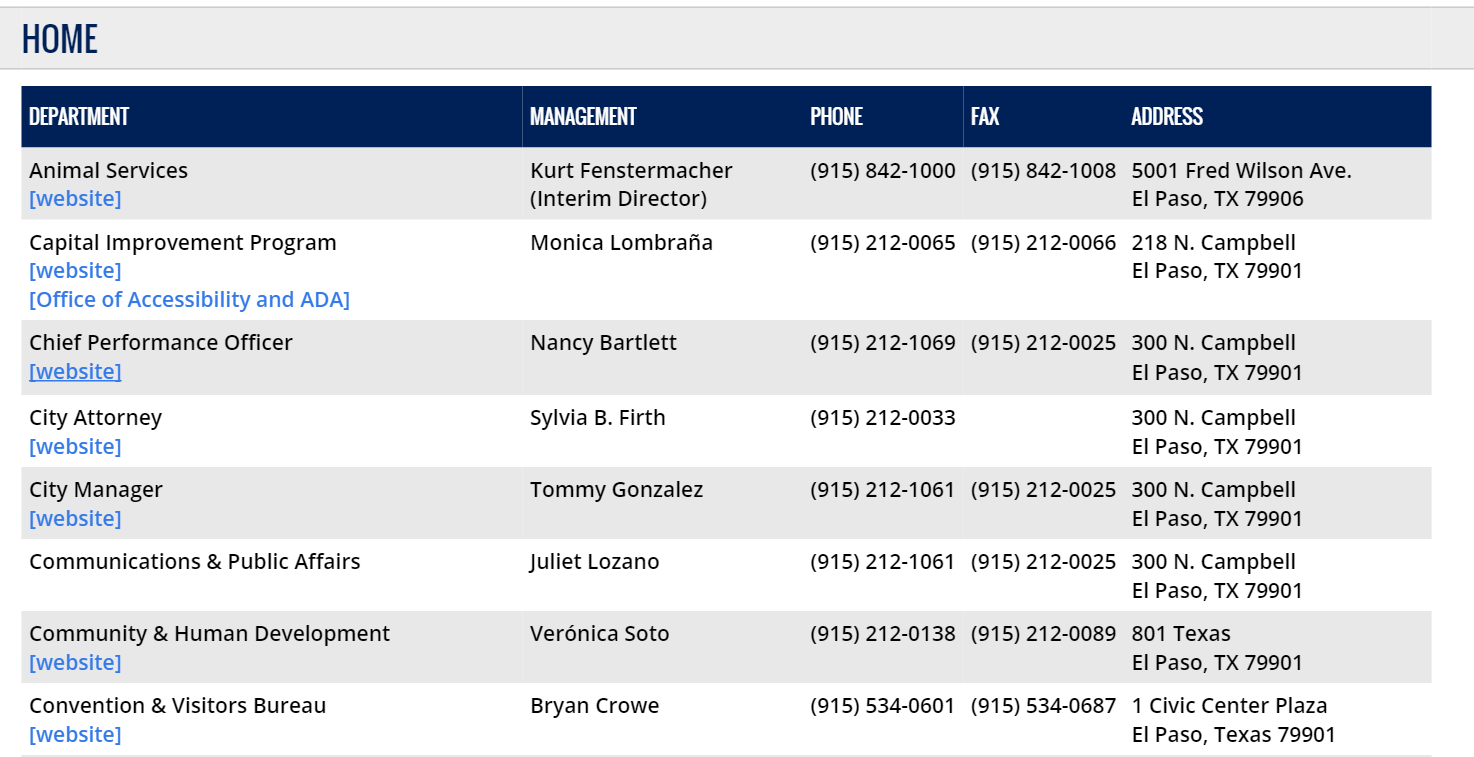
Notice Texas Independence was not even mentioned in ELPASO, TX but we will celebrate 5 de Mayo. Wonder why the rest of the state ignores us.
Happy Birthday, Texas
Texas Independence Day: Happy 180th Birthday, Texas!
On this day in 1836, Texas became a republic. On March 1, delegates from the seventeen Mexican municipalities of Texas and the settlement of Pecan Point met at Washington-on-the-Brazos to consider independence from Mexico. George C. Childress presented a resolution calling for independence, and the chairman of the convention appointed Childress to head a committee of five to draft a declaration of independence. The committee consisted of: George C. Childress, James Gaines, Edward Conrad, Collin McKinney, and Bailey Hardeman. Childress was named chairman, and it is generally conceded that he wrote the instrument with little help from the other members. In fact, there is some evidence that he brought to the convention a proposed declaration that was adopted with little change by the committee and the convention This view is substantiated by the fact that the committee was appointed on March 1, and the declaration was presented to the convention on March 2. The Texas edict, like the United States Declaration of Independence, contains a statement on the nature of government, a list of grievances, and a final declaration of independence. The separation from Mexico was justified by a brief philosophical argument and by a list of grievances. The declaration charged that the government of Mexico had ceased to protect the lives, liberty, and property of the people; that it had been changed from a restricted federal republic to a consolidated, central, military despotism; that the people of Texas had remonstrated against the misdeeds of the government only to have their agents thrown into dungeons and armies sent forth to enforce the decrees of the new government at the point of the bayonet; that the welfare of Texas had been sacrificed to that of Coahuila; that the government had failed to provide a system of public education, trial by jury, freedom of religion, and other essentials of good government; and that the Indians had been incited to massacre the settlers. According to the declaration, the Mexican government had invaded Texas to lay waste to the territory and had a large mercenary army advancing to carry on a war of extermination. The final grievance, listed in justification of revolution, charged that the Mexican government had been “the contemptible sport and victim of successive military revolutions and hath continually exhibited every characteristic of a weak, corrupt, and tyrannical government.” After the signing of the original declaration by fifty-nine delegates, five copies of the document were dispatched to the designated Texas towns of Bexar, Goliad, Nacogdoches, Brazoria, and San Felipe. The printer at San Felipe was also instructed to make 1,000 copies in handbill form. The original was deposited with the United States Department of State in Washington, D.C., and was not returned to Texas until some time after June, 1896. We hope that you enjoy this insight into the lives of the early days of Texas. Own a piece of Texas history, and share the spirit of the Legacy of Texas!


 Posted by Brutus

 elpasospeak
You must be logged in to post a comment.